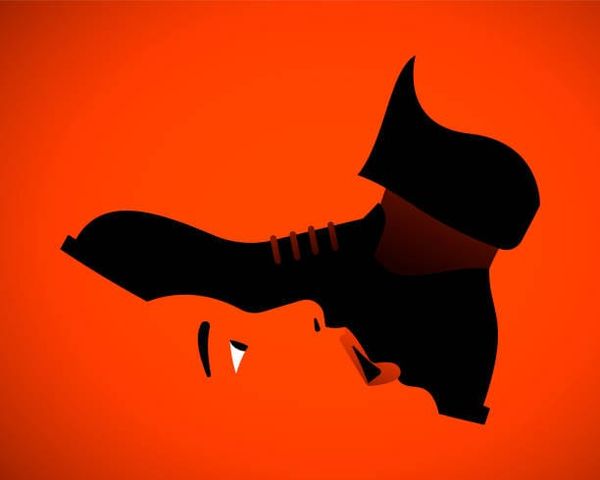
GENDERED IMBALANCE: THE ASSYMETRY OF CARE

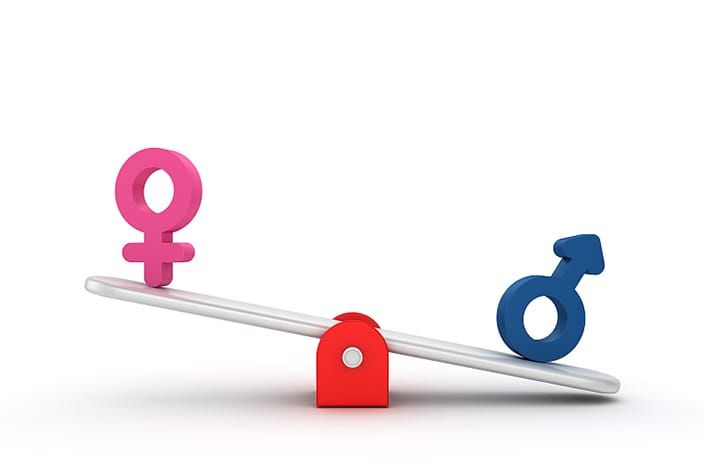
So, here is something I’ve been thinking about since I looked into the 'how' of the construction of gender identity in my research. Why is it that men statistically seem happier in relationships, while many women feel happier out of them, especially after divorce or widowhood. There’s a pattern here... nothing personal.Anthropologists (Mead & Hrdy) and evolutionary psychologists (Buss), have long argued that our gendered instincts come from very old survival needs. For most of human history, men had to protect and provide: the tribe depended on their physical strength. Women, meanwhile, were wired and socially conditioned for caregiving and emotional cohesion. Because of this, relationships developed a kind of exchange: men received care (which they naturally sought but weren’t taught to give), and women, who also wanted care, received protection and provision, which more or less balanced the fact that they were usually the ones giving all the emotional labour.
But here is the problem: in the modern world, that exchange has collapsed. There are no tigers waiting to attack from behind the corner! So, we don’t need physical protection for daily survival. And women can provide for themselves just fine. The 'provider-protector' role that once balanced things is gone. So what is left?
The emotional dynamic hasn’t changed. As sociologists (Chodorow & Coontz) show, women are still expected to give care, and men are still not socially conditioned to give it back. So men continue to get what they want, - care - and feel content. However, the only thing women truly need today is care in return, and this is the one thing men are mostly not able to provide. The illusory protection-providing men are still offering in exchange today is irrelevant and redundant. I’m calling this 'The Care Asymmetry':men thrive in relationships because they get what they are wired to seek, while women often don’t, because the old compensations (protection, provision) don’t mean much anymore. This imbalance is not personal, it is structural, and exists right at the intersection of evolutionary wiring, socio-historical conditioning and modern life. And there is more to it: cultures with strong patriarchal socialisation produce men who never learned emotional care, because emotional openness is a skill, not a “female trait”.
If this is right, the future of happy relationships depends not on reviving outdated roles, but on teaching yoing boys something far more important today: emotional care.